
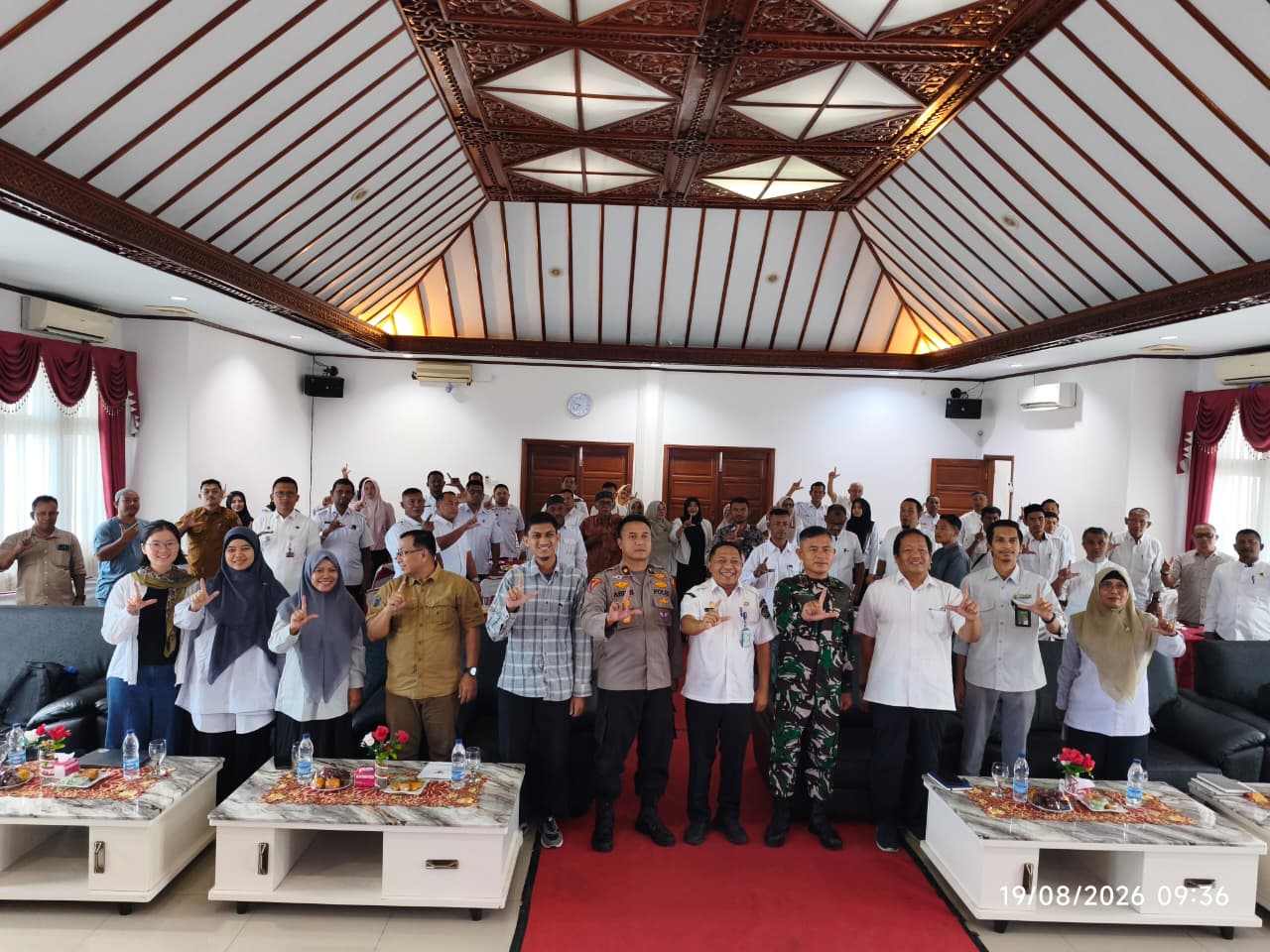
Lhokseumawe, August 19, 2026 — Tsunami and Disaster Mitigation Research Center (TDMRC), Universitas Syiah Kuala, held a Public Discussion (Kickoff Meeting) on the preparation of the Disaster Risk Assessment Document (Kajian Risiko Bencana/KRB) for Lhokseumawe City 2026–2030. The activity brought together stakeholders from local government agencies and other relevant institutions to formally launch the process of updating the city’s disaster risk data and analysis for the coming five years.
As one of Indonesia’s disaster-prone regions, Lhokseumawe requires an up-to-date, evidence-based reference to guide disaster risk reduction planning. The KRB document serves as a foundational instrument for local governments, mapping out hazards, vulnerabilities, and capacities so that mitigation, preparedness, and response measures can be designed more precisely and effectively. Through this kickoff meeting, TDMRC and the Lhokseumawe city government formally began a collaborative process expected to continue through several stages of data collection, field assessment, and document validation over the coming months.
The TDMRC team was led by the Chair of the Activity Implementation Team, Prof. Syamsidik, along with Dr. Dedy Alfian, Dr. Tursina, Aulia Khalqillah, M.Si., Ikhwan Amri, M.Sc., Nazriatun Nisa, M.Si., and Eka Oktavianus, M.Si. 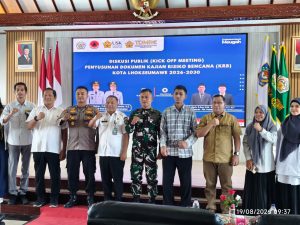
In his remarks, Prof. Syamsidik noted that recent developments in the disaster field have brought significant changes, particularly regarding disaster-related data. He stated that the data technocracy underlying disaster documents needs to be reviewed and updated to keep pace with these changes. He further expressed hope that, in preparing the Lhokseumawe City KRB 2026–2030, all participating stakeholders would provide active support and accurate data and information so the resulting document could genuinely benefit the community.
The event was officially opened by the Acting Assistant for Special Governance Affairs and Welfare of Lhokseumawe City, Mirdha Ihsan, S.STP. In his remarks, he emphasized that the KRB document is important because it ensures that, when a disaster occurs, there is no uncertainty about what actions need to be taken. He expressed hope that the document would become a shared reference that all parties across Lhokseumawe City could rely on in addressing disaster-related challenges. 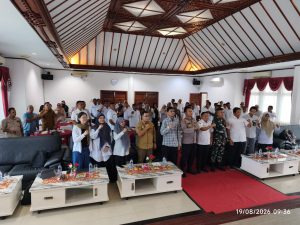
Beyond its immediate technical purpose, preparing the Lhokseumawe City KRB 2026–2030 also reflects a broader commitment to the Sustainable Development Goals (SDGs). The initiative directly supports SDG 11 (Sustainable Cities and Communities) by strengthening the city’s capacity for inclusive, safe, and resilient urban planning. It contributes to SDG 13 (Climate Action), as disaster risk assessment increasingly needs to account for the compounding effects of climate change on hazard patterns and community vulnerability. The collaborative nature of the kickoff meeting, bringing together researchers, government agencies, and community stakeholders, also embodies the spirit of SDG 17 (Partnerships for the Goals), underscoring the importance of multi-sectoral cooperation in achieving effective and sustainable disaster risk reduction.
This kickoff meeting marks the beginning of a series of activities to prepare the Lhokseumawe City KRB Document 2026–2030. Moving forward, TDMRC and its partners are expected to continue close collaboration throughout the process, ensuring the resulting document is both scientifically robust and practically applicable, supporting Lhokseumawe City’s long-term resilience and its contribution to national and global sustainable development commitments.
